How Do You Know When Your Brakes Actually Need to Be Replaced?
Your vehicle’s braking system is one of the most important safety components on the road. While engines, transmissions, and tires often receive attention during maintenance visits, brake systems are sometimes ignored until obvious problems begin affecting daily driving. Many drivers assume brake replacement only becomes necessary when a loud grinding noise appears, but the warning signs usually start much earlier. Catching those signs early can help prevent costly repairs, improve stopping performance, and reduce the risk of dangerous driving situations caused by worn components. Even small brake issues can quickly escalate when ignored for extended periods. Drivers who recognize early symptoms often avoid emergency repairs and gain better confidence during everyday driving conditions. Regular brake awareness also helps support safer travel for passengers, pedestrians, and surrounding vehicles on busy roads.
Modern braking systems are designed to provide thousands of miles of dependable stopping power, but no brake component lasts forever. Daily commuting, stop-and-go traffic, mountainous roads, heavy vehicle loads, aggressive braking habits, and environmental conditions all contribute to brake wear over time. Because braking performance gradually declines, many drivers fail to notice small changes until the system becomes severely worn. Understanding how brakes wear, what symptoms indicate replacement is needed, and how professional inspections help identify hidden issues allows drivers to protect both vehicle performance and passenger safety before problems become more serious. Routine brake inspections help identify wear patterns before they affect stopping distance or vehicle handling. Staying proactive with brake maintenance also helps preserve surrounding components and reduces the likelihood of more extensive repair needs later.
Why Brake Components Wear Out Over Time
Daily Driving Conditions Create Constant Friction
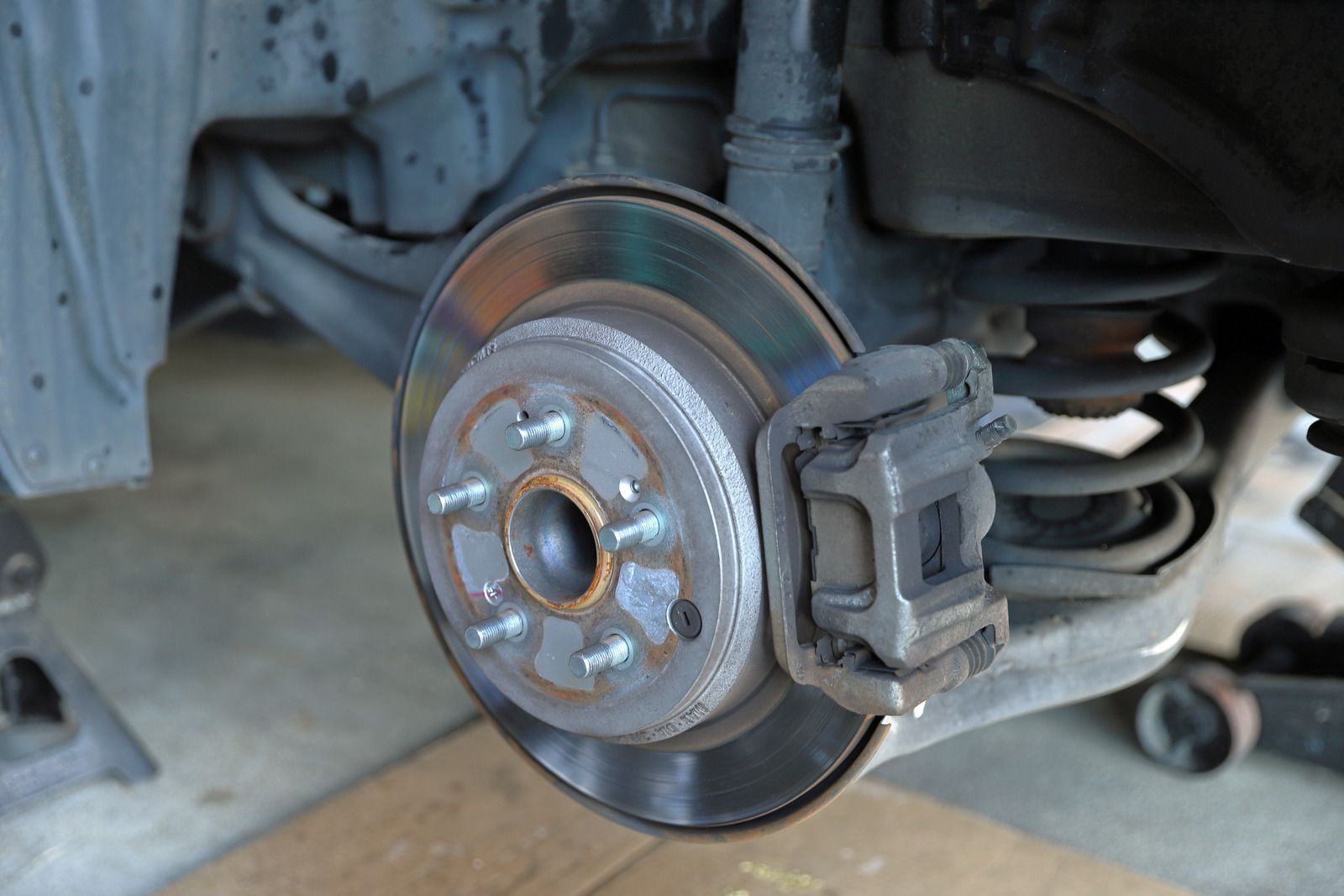
Every time a driver presses the brake pedal, friction is created between the brake pads and rotors. That friction slows the vehicle by converting movement into heat. Over time, repeated exposure to heat and pressure gradually wears down the friction material on the brake pads. Once the material becomes too thin, braking performance declines and replacement becomes necessary.
Vehicles driven in urban traffic often require brake service sooner than vehicles driven mostly on highways. Frequent stopping places continuous strain on brake pads, calipers, and rotors. Drivers navigating steep hills or towing trailers may also experience accelerated wear because braking systems work harder under heavier loads.
Heat Damage Affects Brake Performance
Brake systems are designed to tolerate high temperatures, but excessive heat eventually damages critical components. Hard braking, riding the brakes downhill, or repeated emergency stops can overheat pads and rotors. Excessive heat may cause glazing, cracking, rotor warping, or uneven pad wear.
Once heat damage develops, drivers may notice reduced stopping power, vibrations, or unusual smells coming from the wheels. Ignoring these symptoms often leads to more extensive repairs involving rotors, calipers, or hydraulic components.
Moisture And Environmental Conditions Contribute To Wear
Road salt, rain, dust, and debris also impact brake system longevity. Moisture can contribute to rotor corrosion, especially when vehicles sit unused for extended periods. Dirt and debris may enter moving brake components, affecting smooth operation and causing uneven wear patterns.
Drivers in regions with changing weather conditions often experience faster rotor deterioration due to repeated heating, cooling, and moisture exposure. Regular inspections help identify these environmental effects before braking performance declines significantly.
Common Warning Signs Your Brakes Need Replacement
Squealing Or Screeching Sounds During Braking
One of the earliest warning signs of brake wear is a high-pitched squealing noise when pressing the brake pedal. Many brake pads include built-in wear indicators designed to create noise once the pads reach a dangerously thin level. This sound serves as an intentional warning that replacement should be scheduled soon.
Some squealing may occur temporarily after rain or overnight moisture buildup, but persistent noise should never be ignored. Continuing to drive on worn brake pads can damage rotors and increase repair costs.
Grinding Noises Usually Signal Severe Wear
Grinding sounds often indicate the brake pad friction material has completely worn away, allowing metal components to contact the rotor surface directly. At this stage, braking performance may become dangerously reduced while rotor damage rapidly worsens.
Drivers experiencing grinding noises should avoid delaying repairs. Continued operation can damage calipers, increase stopping distance, and compromise vehicle safety during sudden braking situations.
Vibrations While Braking
A vibrating steering wheel or pulsating brake pedal frequently points to warped brake rotors. Excessive heat buildup or uneven rotor wear creates irregular rotor surfaces that prevent smooth pad contact during braking.
Drivers commonly notice these vibrations during highway braking or while slowing from higher speeds. Rotor resurfacing or replacement may be necessary depending on the severity of the damage and overall rotor thickness.
Longer Stopping Distances
Brake systems should respond quickly with firm, predictable stopping power. If a vehicle suddenly requires more distance to stop, the braking system may no longer be operating properly. Worn pads, damaged rotors, leaking brake fluid, or failing hydraulic components can all reduce stopping performance.
Many drivers adapt gradually to declining brake performance without realizing how much stopping distance has increased. Professional brake inspections help identify these changes before they create hazardous driving conditions.
How Brake Inspections Identify Hidden Problems
Brake Pad Thickness Measurements
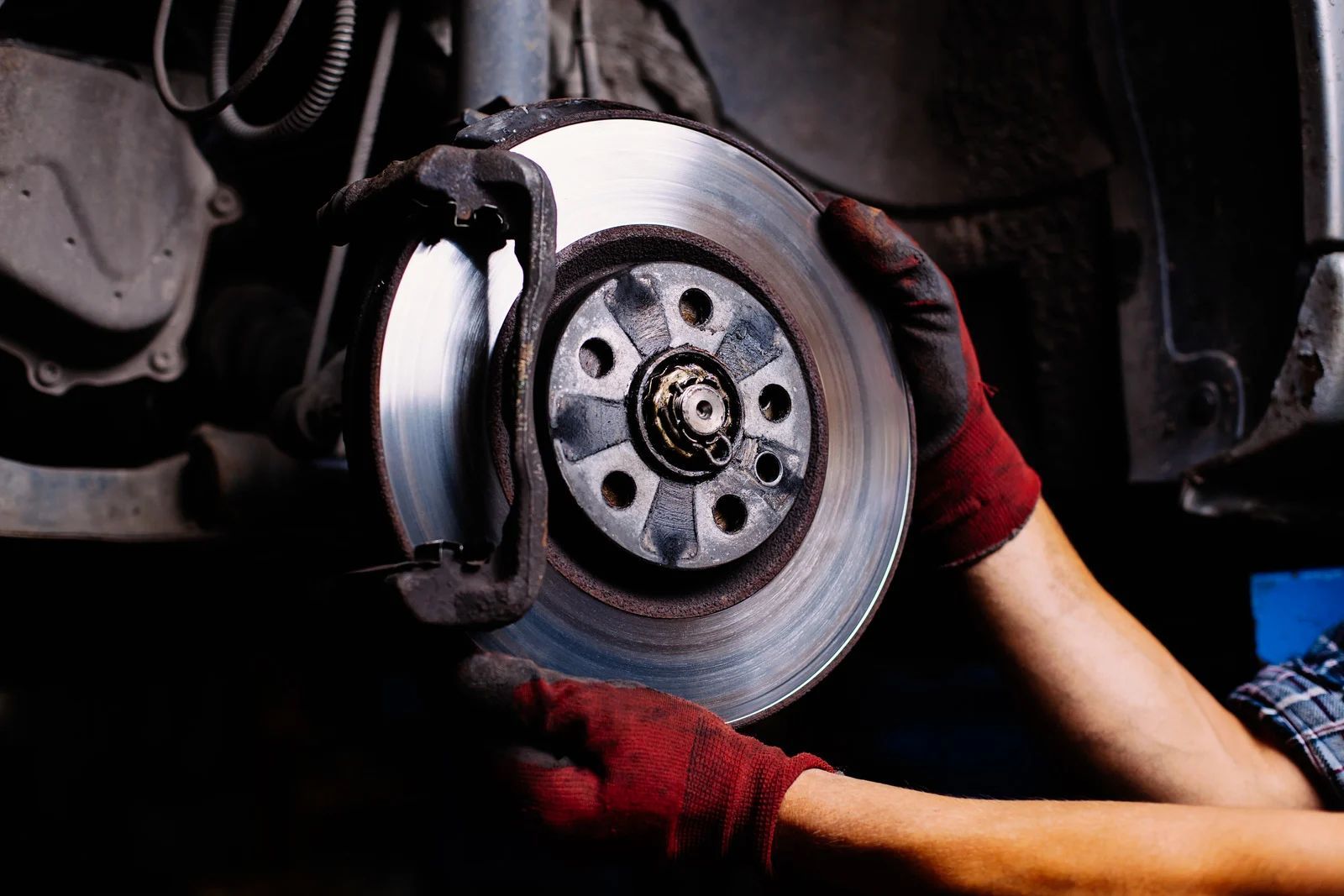
Professional brake inspections involve measuring remaining brake pad material to determine how much usable life remains. Technicians inspect both inner and outer pads because uneven wear sometimes develops due to caliper issues or restricted movement.
Pads nearing minimum thickness should be replaced before metal-to-metal contact occurs. Early replacement protects rotors and helps maintain consistent stopping power.
Rotor Condition Evaluations
Rotors are carefully inspected for scoring, cracking, heat spots, rust buildup, and thickness variations. Minor surface imperfections may sometimes be corrected through resurfacing, but severely damaged rotors usually require replacement.
Ignoring rotor damage often causes new brake pads to wear unevenly and reduces overall braking efficiency. Balanced contact between pads and rotors is essential for smooth operation.
Brake Fluid Inspections
Brake fluid plays a major role in hydraulic braking performance. Over time, brake fluid absorbs moisture, reducing its boiling point and affecting system pressure. Contaminated fluid may contribute to soft pedal feel, inconsistent braking response, or internal corrosion.
Technicians inspect fluid condition, moisture content, and hydraulic system integrity during brake evaluations. Replacing degraded brake fluid helps maintain proper system operation and pedal responsiveness.
Caliper And Hardware Checks
Brake calipers apply pressure to the brake pads during stopping. If calipers stick or fail to move properly, uneven pad wear and pulling during braking may occur. Technicians also inspect mounting hardware, slide pins, and anti-rattle components that support smooth brake operation.
Small hardware failures can create major braking problems when left unresolved for extended periods.
Best Practices For Extending Brake System Life
Schedule Regular Brake Inspections
Routine brake inspections remain one of the best ways to prevent unexpected failures and expensive repairs. Many brake issues develop gradually and may not produce noticeable symptoms during early stages.
Inspections allow technicians to identify worn pads, rotor damage, fluid contamination, and hardware issues before severe problems develop. Preventive maintenance helps reduce long-term repair costs while improving vehicle safety.
Replace Brake Components In Pairs
Brake pads and rotors should generally be replaced in axle pairs to maintain balanced braking performance. Replacing components on only one side may create uneven stopping characteristics and inconsistent wear patterns.
Balanced brake performance supports safer handling and smoother braking under emergency conditions.
Pay Attention To Changes In Vehicle Feel
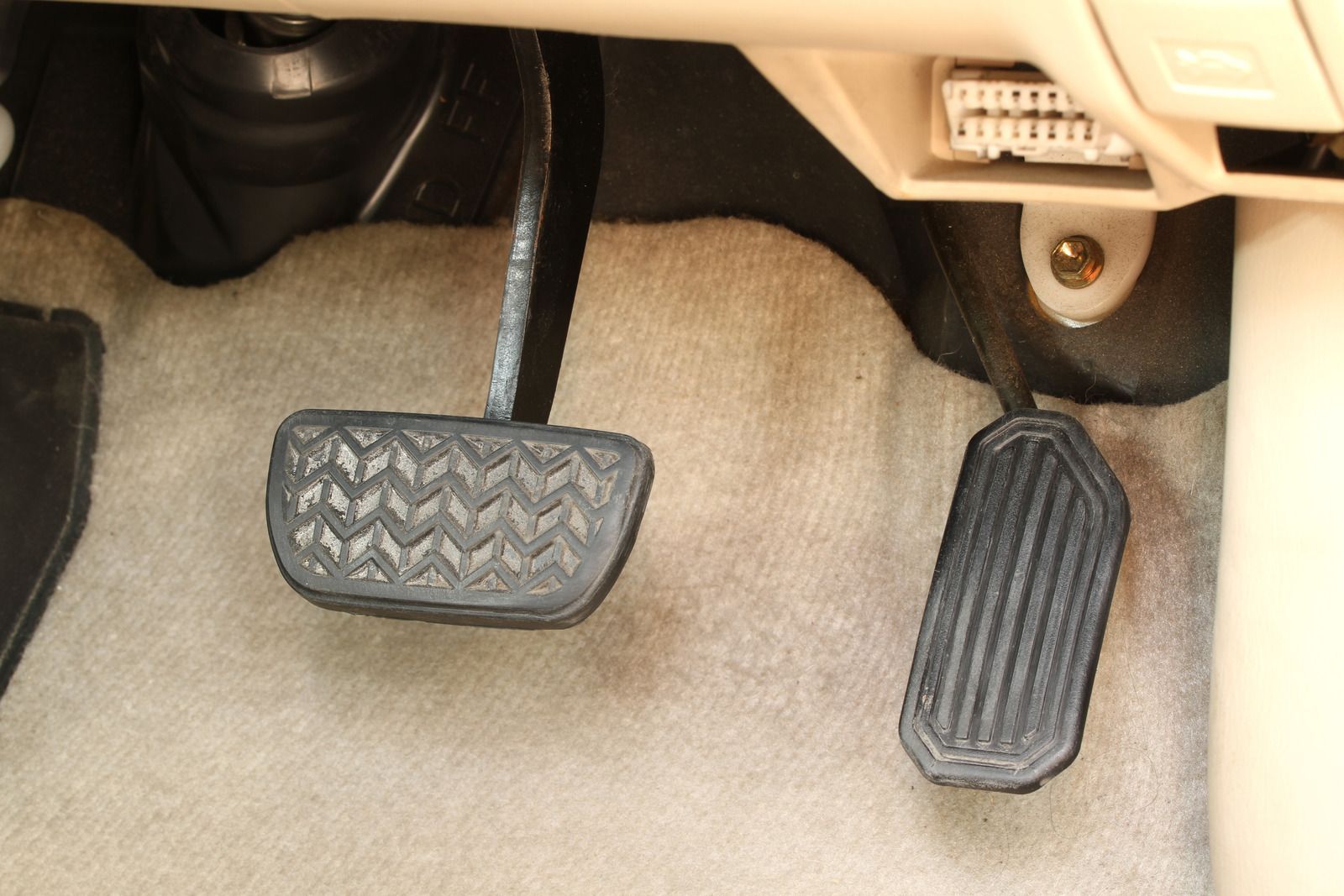
Drivers should remain aware of unusual noises, pedal feel changes, pulling sensations, or vibrations while braking. Even subtle changes often indicate developing problems within the braking system.
Addressing symptoms early usually results in less extensive repairs and reduces the likelihood of additional component damage.
Avoid Delaying Recommended Repairs
Many drivers postpone brake service because the vehicle still appears drivable. However, delaying repairs often allows minor wear issues to become major safety concerns. Worn pads can destroy rotors, damaged rotors can affect calipers, and neglected fluid maintenance can impact hydraulic performance.
Timely brake replacement protects surrounding components while maintaining dependable stopping power during daily driving conditions.
Reliable Brake Replacement From Skilled Automotive Professionals
Brake systems play a direct role in every mile driven, making proper maintenance one of the most important responsibilities for vehicle owners. Understanding the warning signs of worn brakes helps drivers avoid dangerous situations while reducing the risk of severe mechanical damage caused by delayed repairs. Squealing noises, grinding sounds, longer stopping distances, pedal vibrations, and uneven braking should never be ignored because these symptoms often indicate deeper issues developing within the braking system.
Professional inspections provide valuable insight into brake pad condition, rotor wear, hydraulic performance, and overall braking reliability. Preventive service not only improves safety but also helps reduce long-term repair expenses by identifying problems before additional components become damaged. Drivers who prioritize brake maintenance often experience smoother performance, shorter stopping distances, and greater confidence behind the wheel during changing road conditions.
At Bear Valley Auto Center, we proudly provide professional brake inspections,
brake replacement services, and complete automotive repair solutions for drivers throughout Hesperia, California. With 50
years of experience in the auto repair industry, we understand how critical dependable braking performance is for daily driving safety and long-term vehicle reliability. We focus on honest evaluations, detailed inspections, quality workmanship, and reliable repairs designed around the needs of every vehicle entering our shop. Whether drivers notice squealing brakes, reduced stopping power, rotor vibrations, or simply want a preventive brake inspection, we provide the knowledge and service needed to help keep vehicles operating safely on the road.